


5 High-Risk Infrastructure Targets!
The growing cybersecurity threat facing essential sectors worldwide.
Cyberattacks are no longer focused only on stealing data or disrupting business systems. Today, one of the most dangerous and rapidly growing threats is aimed at critical infrastructure—the essential sectors that keep economies running and communities functioning every day.
From oil and gas facilities to airports, power grids, water systems, and telecommunications networks, cybercriminals and state-sponsored groups are increasingly targeting organizations where even a short disruption can create serious operational, financial, and public safety consequences.
According to the World Economic Forum’s Global Cybersecurity Outlook 2026, cyber threats against infrastructure continue to rise due to rapid digital transformation, geopolitical tension, and the growing use of AI-powered attacks. IBM X-Force also reported that critical infrastructure remains one of the most frequently targeted sectors globally.
The reason is clear: these industries offer attackers the highest impact. A successful cyberattack against essential services can disrupt operations, damage trust, and affect thousands—or even millions—of people.
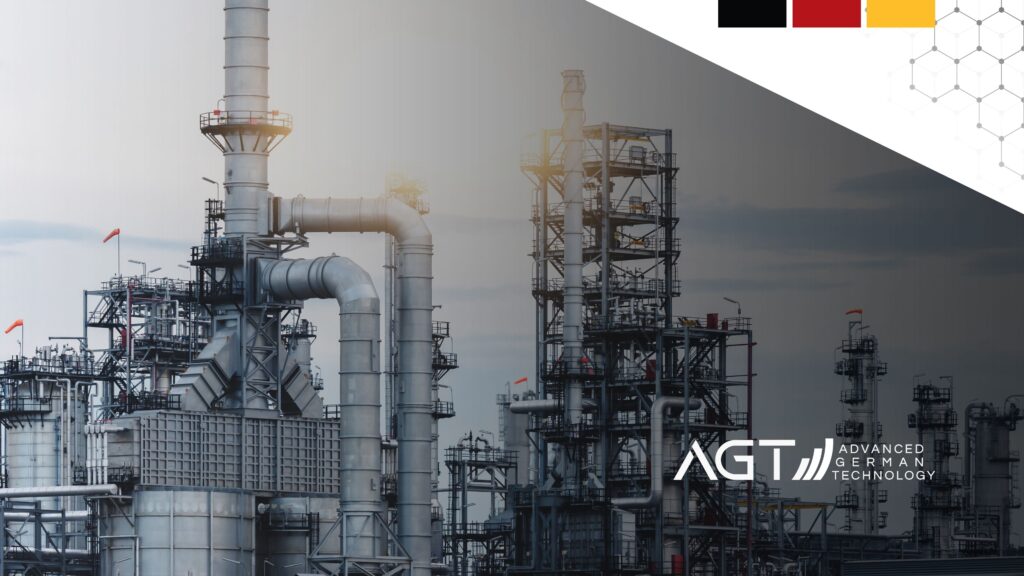
Oil & Gas: High Value, High Pressure, High Risk
Few industries carry the strategic importance of oil and gas. They support transportation, manufacturing, utilities, and supply chains around the world. Because of that, they have become a top target for cyberattacks.
Modern oil and gas companies rely heavily on industrial control systems, remote access platforms, and connected operational technologies. While this improves efficiency and visibility, it also creates more digital entry points attackers can exploit.
A successful attack can delay production, interrupt fuel distribution, damage operational systems, and create significant financial losses in a very short time. For organizations operating in this sector, cybersecurity is directly tied to business continuity and operational resilience.
Airports: Where Cybersecurity Meets Operational Continuity
Airports depend on digital infrastructure for almost every essential process. Flight operations, passenger check-in systems, baggage handling, access control, and communications all rely on secure and available systems.
Because airports connect transportation, national security, and public infrastructure, they represent a highly attractive target.
Even a single cyber incident can lead to delays, system outages, communication interruptions, and broader operational disruption. As airports continue to adopt more connected technologies, protecting digital infrastructure becomes a core part of maintaining safety and uninterrupted service.
Power Grids: A Single Breach Can Create a Chain Reaction
Power infrastructure remains one of the most sensitive cyber targets worldwide because electricity supports every other major sector.
Healthcare systems, transportation networks, telecom providers, industrial facilities, and public services all depend on stable electrical infrastructure. A targeted cyberattack against power systems can create immediate disruption far beyond the energy provider itself.
The wider impact may include:
- Large-scale service outages
- Financial and operational losses
- Public safety concerns
- Disruption across multiple connected sectors
Because of this interconnected dependency, power grid cybersecurity remains a top priority globally.
Water Facilities: Essential Services with Increasing Exposure
Water and wastewater systems are often overlooked in cybersecurity discussions, but they are among the most essential services in any community.
These facilities increasingly depend on automation, monitoring systems, remote management, and industrial controls. At the same time, many operate with aging infrastructure and limited cybersecurity resources.
That combination creates real risk. A cyberattack can interrupt services, affect treatment operations, damage equipment, and create both operational and reputational challenges.
As more water facilities modernize their infrastructure, cybersecurity protection is becoming a critical operational requirement.
Telecom Networks: The Digital Backbone of Everything
Telecommunications connect nearly every critical service. Emergency response systems, businesses, financial institutions, utilities, and public networks all depend on stable telecom infrastructure.
That makes telecom providers an especially strategic target for cybercriminals.
A successful attack can impact communications, interrupt digital services, expose sensitive infrastructure, and create ripple effects across multiple sectors at once.
For attackers looking for broad disruption or intelligence gathering, telecom networks remain one of the most valuable targets.
Why the Risk Keeps Growing
Several major trends are accelerating attacks against critical infrastructure:
- AI-powered attacks are increasing speed and sophistication
- Geopolitical cyber conflict is making infrastructure a strategic target
- IT and OT convergence is expanding digital exposure
- Legacy systems continue operating without modern protections
- Operational disruption creates immediate pressure on organizations
Together, these trends are changing cybersecurity from a technical concern into a board-level business priority.
How AGT Helps Protect Critical Infrastructure
At AGT Technology (www.agt-technology.com), we work with governments, energy organizations, telecom operators, industrial facilities, and enterprise clients to strengthen cyber resilience against modern and evolving threats.
Our cybersecurity services help organizations identify risks early, strengthen infrastructure, improve visibility, and respond faster to incidents before disruption impacts operations.
From cybersecurity assessments and threat monitoring to vulnerability management, SOC services, penetration testing, and incident response readiness, AGT helps critical infrastructure organizations build stronger defenses and stay resilient in a rapidly changing threat landscape.
As cyber threats continue evolving, protecting critical infrastructure is no longer optional—it is essential for operational continuity, resilience, and long-term security.
Sources
- World Economic Forum – Global Cybersecurity Outlook 2026 https://www.weforum.org/publications/global-cybersecurity-outlook-2026/
- World Economic Forum – Cyber Risk in 2026 https://www.weforum.org/stories/2026/01/geopolitics-ai-fraud-global-cyber-cybersecurity-2026/
- IBM X-Force Threat Intelligence Index https://www.ibm.com/think/x-force/x-force-threat-intelligence-index-2025-attackers-steal-sell-user-identities
- AGT Technology https://www.agt-technology.com